
Skip to content
THOUGHT LEADERSHIP WEBINAR

From business case to implementation: How to replace legacy GRC without losing momentum.

Thursday, 29 October 2026 | 11am AEDT/BST/EDT


Replacing legacy GRC affects processes, data, ownership and the people who use the system every day. Learn how to scope the change, make sound migration and design decisions, and deliver visible value without carrying old complexity forward.

A new platform should not inherit old problems

Once the case for GRC change has been made, the focus shifts to making practical implementation decisions. Rather than carrying legacy complexity into a new platform, organisations need to decide what should work differently and what should move, change or be retired.

Making these choices early can simplify processes, reduce first-line friction and establish a stronger foundation for implementation and future change.

Join Protecht's Michael Howell and Simon Skinner as they explore a practical approach to GRC implementation, from defining the target outcome and sequencing the work to managing migration, data, ownership and adoption.

Find out:

  • Turn the case for change into implementation priorities by defining what needs to work better when the transformation is complete.

  • Choose a first phase that can deliver meaningful value without trying to replace the entire GRC environment at once.

  • Make deliberate migration and data decisions about what should move, change, remain elsewhere or be retired.

  • Design for adoption as well as migration by making workflows easier for users, clarifying ownership and giving each phase a visible operational benefit.


Register now.

Migration is the moment to simplify

Legacy GRC environments accumulate controls, fields, workflows, reports and conventions because each once served a purpose. Replacement gives you the opportunity to test those assumptions. Keep what still supports good decisions, evidence and accountability. Simplify or retire what no longer does. The goal is to carry useful information and capability forward without preserving complexity for its own sake.

Your presenters

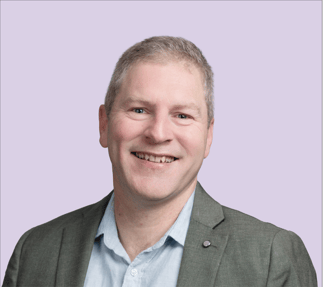
Michael Howell

Head of Risk Research & Knowledge, Protecht

Michael leads Protecht’s risk research and knowledge work, drawing on practical experience across enterprise risk, compliance, assurance and business continuity.

His background includes managing risk functions and implementing enterprise risk management software, giving him a practitioner perspective on what GRC transformation needs to achieve beyond the technology decision.
simon-skinner b

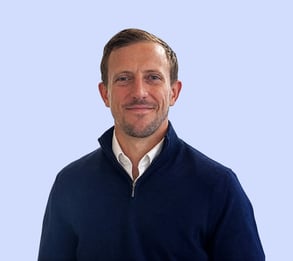
Simon Skinner

Senior Sales Manager, Protecht EMEA

Simon works with enterprise teams looking to use technology to reduce risk, automate processes and improve compliance and business outcomes.

He brings a customer-facing perspective on the practical decisions that shape GRC change, including where legacy complexity creates friction, how teams approach replacement, and what helps maintain momentum through implementation.
Protecht ERM - Vendor Risk Dashboard